Washing Machine Repair Service Hyderabad
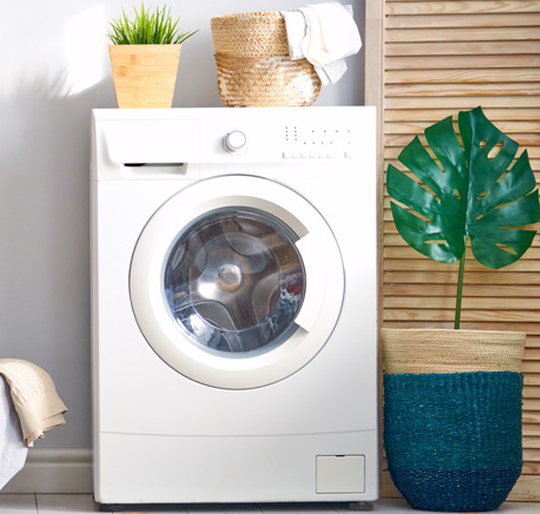
Welcome to our A front-load washing machine is designed with a horizontal drum that rotates along a horizontal axis. Clothes are loaded through a door on the front of the machine. This design allows for a tumbling action that lifts and drops clothes through the water and detergent, mimicking hand washing.We Provide Services of
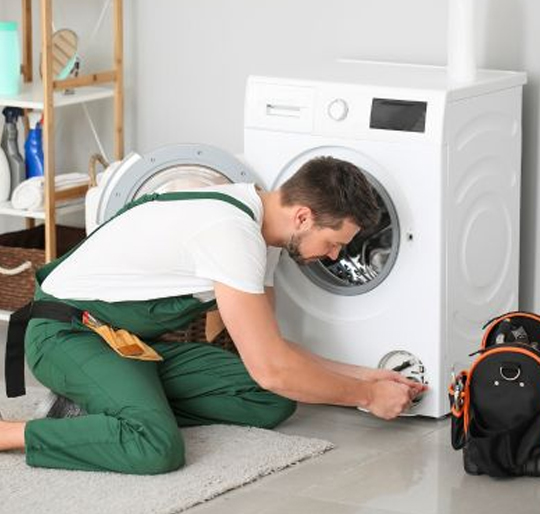
Front-load washing machines are known for their efficiency and performance, but like any appliance, they can experience issues over time. Understanding common problems and repair solutions can help you maintain your machine in top condition. Here’s a detailed guide to front-load washing machine repair, including common issues, troubleshooting tips, and when to call a professional.
1. Front-Load Washing Machines
A. Horizontal Drum Design :
. Description: The drum rotates horizontally, lifting clothes and allowing them to tumble through the water.
. Advantages: Provides a more effective cleaning action and is gentler on fabrics compared to top-load machines.
b. Energy and Water Efficiency
.Description: Front-load washers use less water and energy compared to traditional top-load models.
.Advantages: The tumbling action requires less water and the high spin speeds reduce drying time, which translates into lower utility bills and a smaller environmental footprint.
c. Large Capacity
Description: Typically offers a larger drum size, accommodating more laundry per load.
Advantages: Ideal for families or those with larger laundry needs, allowing for fewer loads and less time spent doing laundry.
Common Problems and Solutions
1. Washing Machine Not Starting
Possible Causes:
. Power Issues: The machine may not be receiving power due to a faulty outlet or power cord.
. Door Lock Issue: Front-load machines have a door lock mechanism that must engage properly for the machine to start.
. Control Board Malfunction: Problems with the control board or electronic components can prevent the machine from starting.
2. Leaking Water
Possible Causes:
. Door Seal Issues: The rubber door seal (or gasket) can develop tears or become misaligned, leading to leaks.
. Hoses and Connections: Leaks may also be due to loose or damaged water inlet hoses or connections.
. Overloading: Overloading the washer can cause water to spill out.
2. Leaking Water
Possible Causes:
. Door Seal Issues: The rubber door seal (or gasket) can develop tears or become misaligned, leading to leaks.
. Hoses and Connections: Leaks may also be due to loose or damaged water inlet hoses or connections.
. Overloading: Overloading the washer can cause water to spill out.
3. Excessive Noise or Vibration
Possible Causes:
. Unbalanced Load: An uneven load can cause the machine to vibrate excessively during the spin cycle.
. Worn Drum Bearings: Worn or damaged drum bearings can create noise during operation.
. Loose or Broken Parts: Loose or damaged parts, such as shock absorbers or suspension springs, can contribute to noise and vibration.
4. Failure to Drain
Possible Causes:
. Clogged Pump Filter: The pump filter can become clogged with lint, debris, or small objects, preventing proper drainage.
. Blocked Drain Hose: A kinked or blocked drain hose can obstruct water flow.
. Pump Malfunction: Issues with the drain pump itself can cause drainage problems.
5. Error Codes or Display Issues
Possible Causes:
. Electronic Malfunction: Error codes may indicate issues with the control board or sensors.
. Faulty Connections: Loose or damaged wiring connections can cause display problems or error codes.
. Software Glitches: Occasionally, software glitches may cause unusual behavior or error messages.
When to Call a Professional
While many issues can be addressed with DIY troubleshooting, some problems may require professional assistance:
Complex Repairs: If the issue involves major components like the control board, drum bearings, or pump, it’s best to consult a qualified technician.
Persistent Problems: If you’ve tried troubleshooting without success or the problem recurs, a professional can provide a thorough diagnosis and repair.
Safety Concerns: If you’re unsure about handling electrical or mechanical components safely, it’s advisable to seek professional help.
2. Top-Load Washing Machine
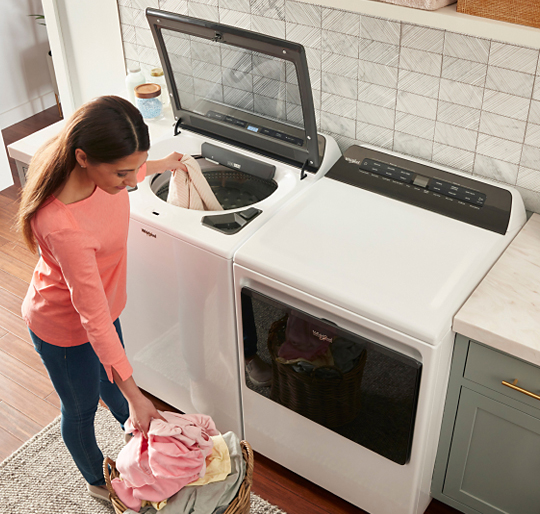
A top-load washing machine is designed with a vertical drum that is accessed from the top of the machine. Clothes are loaded and unloaded through a lid or door on the top of the machine. This design allows for easy loading and unloading without bending over.
A. Vertical Drum Design
. Description: Clothes are loaded into a drum that rotates vertically. There are two main types: agitator and impeller models.
. Advantages: Provides easy access to the drum and allows users to add items mid-cycle.
B. Agitator vs. Impeller
. Agitator Models: Feature a central post with fins that rotate to agitate clothes.
. Advantages: Known for strong cleaning performance but can be harsher on fabrics.
. Impeller Models: Use a low-profile, spinning disk at the bottom of the drum to create a gentle washing action.
. Advantages: More gentle on clothes and can handle larger loads.
C. Manual Water Filling (for Some Models)
. Description: Certain models require manual water filling, though most modern top-load washers are equipped to fill automatically.
. Advantages: Allows for better control over water usage in areas with water scarcity.
3. Fully Automatic Washing Machines
A fully automatic washing machine is an advanced appliance that manages the entire washing cycle without needing manual intervention beyond selecting the wash program. It automates the processes of filling water, washing, rinsing, and spinning, making it highly convenient for users.
1. Key Features
1. All-in-One Operation
. Description: Handles all stages of the washing process automatically—water intake, washing, rinsing, and spinning.
. Advantages: Offers a hassle-free experience as there’s no need to manually move clothes between different stages or add water.
2. Advanced Wash Programs
1. All-in-One Operation
. Description: Equipped with various wash cycles and settings such as normal, delicate, heavy-duty, quick wash, and more.
. Advantages: Allows customization based on fabric type, stain level, and washing needs, providing optimal cleaning results.
3. Automatic Water Level Adjustment
. Description: Senses the load size and adjusts the water level accordingly.
. Advantages: Saves water and energy by using only the amount needed for each load.
4. Built-in Heater (for Some Models)
. Description: Some fully automatic washers come with an internal heater to heat water for specific wash programs.
. Advantages: Enhances cleaning performance, especially for stains and heavily soiled clothes, and allows for the use of hot water settings.
5. Smart Features
. Description: Modern models may include smart technology such as Wi-Fi connectivity, remote control, and app integration.
. Advantages: Enables remote operation and monitoring, and provides notifications and updates on wash progress.
3. Fully Automatic Washing Machines
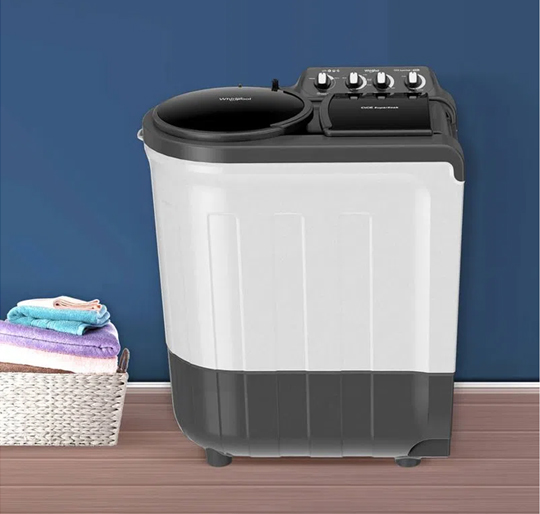
A semi-automatic washing machine is designed to handle most of the washing process automatically but requires manual input for certain tasks. Typically, users must manually fill the machine with water and transfer clothes from the washing drum to the spin drum once the washing cycle is complete.
1. Key Features
1. Manual Water Filling
. Description: Users need to manually fill the washing drum with water using a hose or bucket.
. Advantages: Offers control over water usage and is suitable for areas with irregular water supply.
3. Wash and Spin Cycles
. Description: Includes distinct cycles for washing and spinning, typically operated via separate controls.
. Advantages: Provides flexibility to handle different types of laundry and customize wash settings.
4. Adjustable Spin Speed
. Description: Many models allow users to adjust the spin speed according to the fabric type and load size.
. Advantages: Enhances drying efficiency and fabric care.
5. Compact and Lightweight
. Description: Generally smaller and lighter than fully automatic models.
. Advantages: Easier to move and fit into smaller laundry spaces.